 Defense · Report Line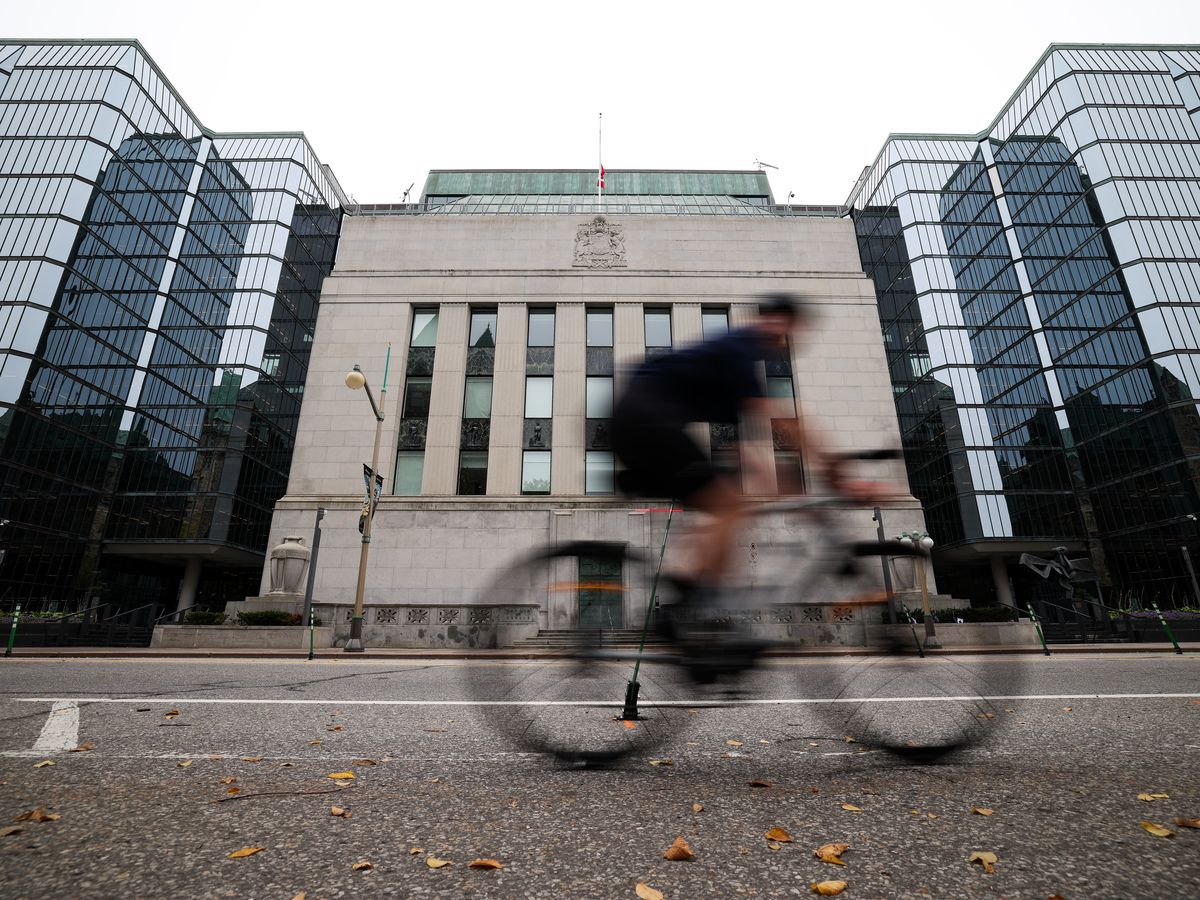
Skip to Content News Archives Economy Defence Energy Oil & Gas Renewables Electric Vehicles Mining Commodities Agriculture Real Estate Mortgages Mortgage Rates Finance Banking Insurance Fintech Cryptocurrency Defence Work Wealth Smart Money Wealth Management Investor Personal Finance Family Finance Retirement Taxes High Net Worth FP Comment Executive Women Puzzmo Newsletters Financial Times Business Essentials More Innovation Information Technology FP500 Podcasts Small Business Lives Told Tails Told Shopping Financial Post Store Obituaries Place a Notice Advertising Advertising With Us Advertising Solutions Postmedia Ad Manager Sponsorship Requests Classifieds Place a Classifieds ad Working Profile Settings My Subscriptions My Offers Newsletters Customer Service FAQ News Economy Energy Mining Real Estate Finance Defence Work Wealth Investor FP Comment Executive Women Puzzmo Newsletters Financial Times Business Essentials Home News Economy Work 'Sour' job report could give Bank of Canada breathing room on rate hikes, economists say 'This sour result greatly diminishes the chances, let alone the rationale, for rate hikes' Last updated 6 hours ago A cyclist is seen passing in front of the Bank of Canada building in Ottawa. Photo by HYUNGCHEOL PARK/Postmedia files The Bank of Canada is now in a tricky spot as it tries to juggle rising inflation and slowing growth, economists say, after the country lost 68,000 jobs and the unemployment rate rose to 6.5 per cent in September from 6.4 per cent in August. Subscribe now to read the latest news in your city and across Canada.
Exclusive articles from Barbara Shecter, Joe O'Connor, Gabriel Friedman, and others. Daily content from Financial Times, the world's leading global business publication. Unlimited online access to read articles from Financial Post, National Post and 15 news sites across Canada with one account.
National Post ePaper, an electronic replica of the print edition to view on any device, share and comment on. Daily puzzles, including the New York Times Crossword. Subscribe now to read the latest news in your city and across Canada.
Exclusive articles from Barbara Shecter, Joe O'Connor, Gabriel Friedman and others. Daily content from Financial Times, the world's leading global business publication. Unlimited online access to read articles from Financial Post, National Post and 15 news sites across Canada with one account.
National Post ePaper, an electronic replica of the print edition to view on any device, share and comment on. Daily puzzles, including the New York Times Crossword. Create an account or sign in to continue with your reading experience.
Access articles from across Canada with one account. Share your thoughts and join the conversation in the comments. Enjoy additional articles per month.
Get email updates from your favourite authors. Create an account or sign in to continue with your reading experience. Access articles from across Canada with one account Share your thoughts and join the conversation in the comments Enjoy additional articles per month Get email updates from your favourite authors Sign In or Create an Account or Economists tracked by Bloomberg had expected the economy to add 10,000 positions last month, but the jobless rate matched their calls.
The employment drop in September was the second consecutive decline, following a loss of 42,000 positions in August. FP Work touches on HR strategy, labour economics, office culture, technology and more. By signing up you consent to receive the above newsletter from Postmedia Network Inc.
A welcome email is on its way. If you don't see it, please check your junk folder. The next issue of Work will soon be in your inbox.
We encountered an issue signing you up. Please try again Here’s what the latest employment numbers mean for the economy, the Bank of Canada and interest rates . “The jobs count has become even more volatile than usual,” Douglas Porter, chief economist at Bank of Montreal, said in a note on Friday, pointing to a similar two-month loss of positions at the start of 2026, which was followed by gains from the spring into the summer.
He said employment has risen 0.5 per cent from a year ago, which is a better guide of what’s happening, but the number of people looking for work dropped, helping to keep the jobless rate from rising higher and it’s still down from 7.1 per cent a year ago. Porter gave the job report a grade of 22.5 out of 100, but said a mitigating factor was that more than half of the decline came from the education sector. Private-sector employment rose in September.
“September is always going to raise questions about seasonal adjustment amid the restart of school,” he said. But he said the drop in education jobs could also reflect the ongoing pullback in international students, as the sector is down 4.2 per cent year over year. Manufacturing also lost nearly 13,000 positions last month, a possible early warning from increasing trade tensions.
Key inflation numbers and the Bank of Canada outlook survey come out on Oct. 19, “but this sour result greatly diminishes the chances, let alone the rationale, for rate hikes,” he said. “Manufacturing employment declined for the first time since June, after Canada’s trade war with the U.S. heated back up,” Royce Mendes, managing director and head of macro strategy at Desjardins Group, said in a note. Total hours worked “severely” dropped, he said.
Typically, such a decline is due to poor weather, but it could also reflect further fallout from the trade standoff between Canada and the United States, as employers cut back on hours instead of their workforces. He said the rise in the unemployment rate could have been worse were it not held back by the number of people working or looking for work falling to a three-decade low. “Canada’s aging population continues to see workers leaving the labour force, which for now is keeping a lid on the jobless rate,” he said.
Overall, Mendes said the jobs report speaks to slowing economic momentum after a decent first half of the year, leaving the Bank of Canada to contend with “the opposing forces of rising inflation and a slowing economy.” Desjardins expects the Bank of Canada to hold rates at its next policy meeting on Oct. 28, but he said policymakers could be forced to hike “soon” as inflation from higher energy prices spreads to other parts of the economy. “The details of the decline are not as bad as the headline suggests,” Thomas Ryan, senior North America economist at Capital Economics Ltd., said in a note. He said much of the decline can be pinned on the end of summer jobs for young people, plus a drop in public-sector employment.
Private-sector employment increased in several sectors, including professional and technical services, construction and other services, excluding public administration, such as personal and household services. Ryan said manufacturing jobs were dealt a blow by the latest round of U.S. tariffs, which came into effect in August after trade talks between Canada and the U.S. broke down. Average hourly earnings grew at a “muted” pace of 2.3 per cent year over year, though up slightly from two per cent in August, he said.
“The Bank of Canada still looks on course to raise the policy rate to the midpoint of its neutral range soon to guard against the upside inflation risks from energy and food prices,” he said. The Bank of Canada’s neutral range is 2.25 per cent to 3.25 per cent placing the midpoint at 2.75 per cent. Capital Economics thinks the central bank will stop there, despite market bets for four rate hikes by the end of next year.
Join the Conversation This website uses cookies to personalize your content (including ads), and allows us to analyze our traffic. Read more about cookies here . By continuing to use our site, you agree to our Terms of Use and Privacy Policy .
Source: Financial Post