 Defense · Report Line
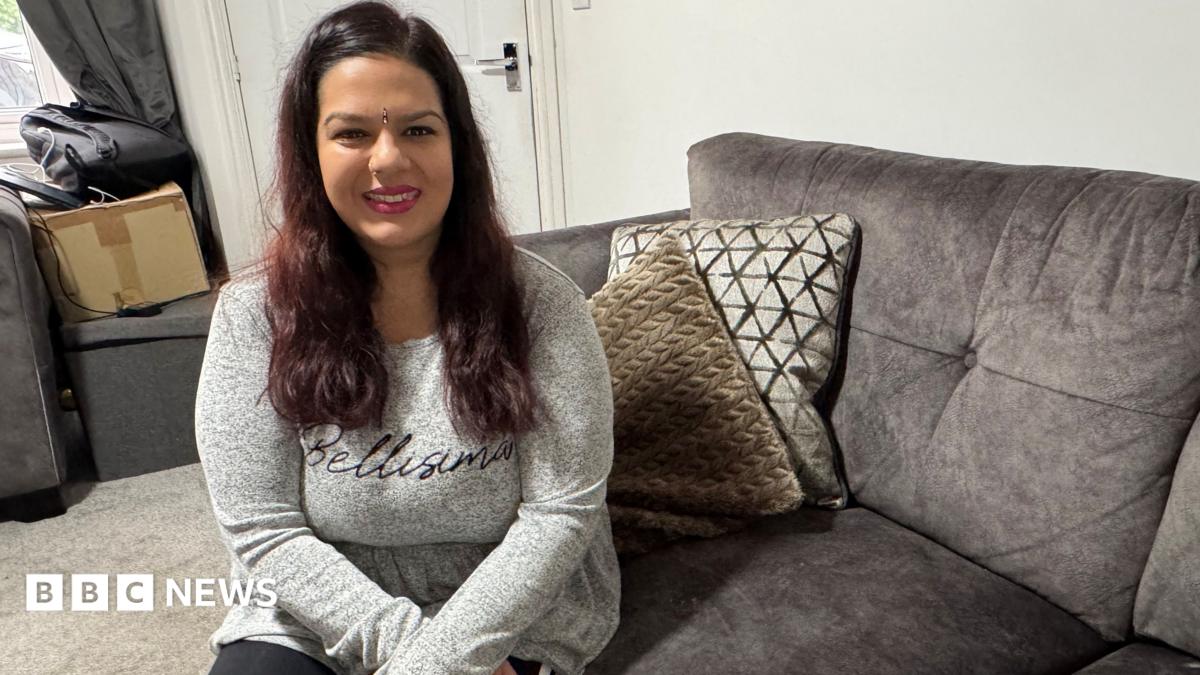
For Neelam, finding out she had the condition sent her into what she described as a "rabbit hole" of fear and uncertainty. Not long after beginning university, she started experiencing irregular and painful periods, thinning hair, weight gain and exhaustion. "My periods were so irregular but when I had them they were extremely painful, massively fatigued," she said.
"I kept going back and forth to the GP... I went quite a number of times because it was affecting me going into lectures and things because I was exhausted." Neelam described how she was advised to exercise more and lose weight, but her symptoms soon began affecting her studies, causing her to miss lectures and re-sit exams. She was eventually diagnosed with PCOS, having "never heard" of the condition before.
"It was the comment of 'it'll be difficult for you to have children, but we'll cross that bridge when we come to it'," she explained. "It was just dropped in a conversation and I was kind of left to figure it all out by myself." For many years, Rochelle Lewis, from Wolverhampton, struggled with facial hair growth, painful periods and anxiety. "I've always struggled with a lot of facial hair growing up, it was something I was really bullied about, so I tried to do absolutely everything I could to try and get rid of it," she explained.
"One of my mum's friends, she was like, 'oh, maybe she's got PCOS'. So that was the first time I'd ever even heard of it, and I was probably about 16." Rochelle said she first raised concerns about PCOS as a teenager, but felt they were dismissed. "So I went to the doctors and they literally just brushed it off and were like, 'no, we don't think you've got PCOS'," she said.
The 31-year-old was finally diagnosed with the condition in 2025, a process she described as "frustrating". "It was emotionally draining, not to be listened to, not to be heard," she said. Now a mother to a seven-month-old son, she said too often women were diagnosed and then left to navigate the condition alone.
The name change alone wasn't enough, she added. "So you get told, you get given your diagnosis and that's it... we're just left to it," she said. "We need to have processes put in place to actually help us."
Source: BBC